What we do
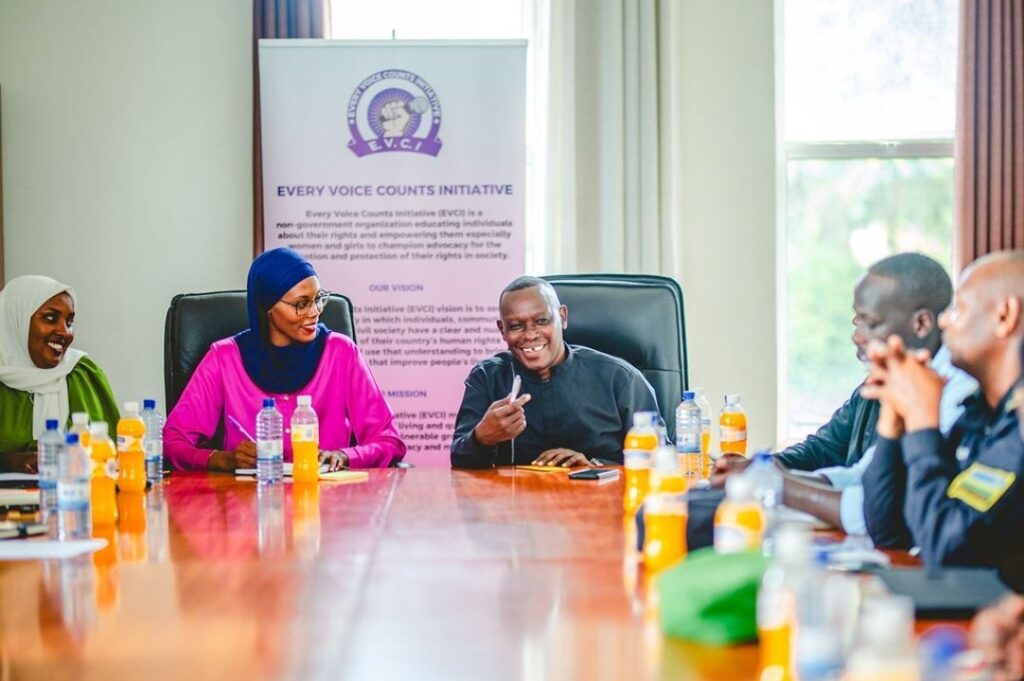
The Voices for Change project by the Every Voice Counts Initiative (EVCI) aims to uplift the standard of living and quality of life of marginalized and vulnerable populations through a three-pronged approach: Capacity Building, Advocacy, and Mentorship. The project will be implemented across selected communities and will target women, youth, persons with disabilities, and other underserved groups.
EVCI Goals:
- Empower vulnerable individuals with skills and knowledge for personal and economic growth.
- Advocate for inclusive policies and social justice at community and governmental levels.
- Mentor and guide emerging leaders and individuals to become agents of change in their communities.
EVCI Objectives:
- Train at least 500 individuals (especially youth and women) in vocational, digital, and entrepreneurial skills within 12 months.
- Establish advocacy coalitions in 5 regions to address key issues affecting vulnerable populations.
- Launch a mentorship network connecting 100 professionals with mentees for life skills, career guidance, and leadership development.
- Facilitate community forums and town hall meetings to amplify the voices of underrepresented groups.
Key Components:
1. Capacity Building
- Skill acquisition workshops (e.g., ICT, tailoring, agribusiness, etc.)
- Entrepreneurship training & financial literacy
- Life skills and civic education
2. Advocacy
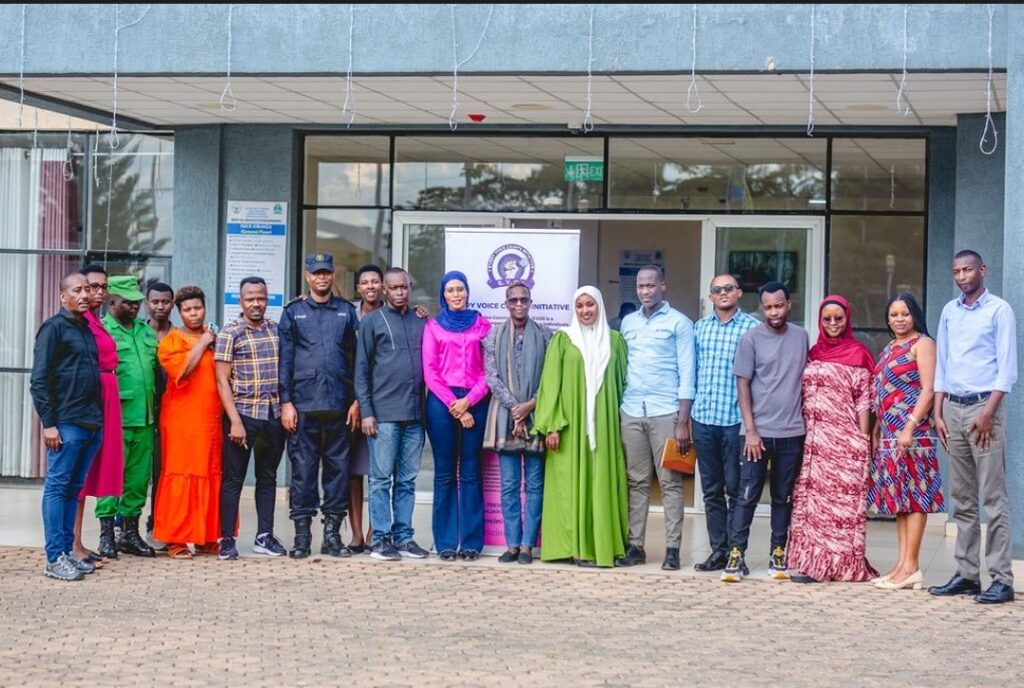
- Policy dialogue sessions with local leaders and stakeholders
- Grassroots campaigns promoting gender equality, disability rights, and youth empowerment
- Development and dissemination of advocacy materials (radio talks, social media, flyers)
3. Mentorship
- One-on-one and group mentoring sessions
- Annual “Voices of Change” summit featuring motivational talks, panel discussions, and networking
- Continuous support through digital platforms and community centers
Target Beneficiaries:
- Women and girls from low-income backgrounds
- Youth (ages 15–35)
- Persons with disabilities (PWDs)
- Minority and displaced communities
Expected Outcomes:
- Improved income-generating capacities of participants
- Increased participation of vulnerable groups in decision-making and community leadership
- Stronger networks of support and mentorship
- Enhanced community awareness and policy engagement
Partners & Stakeholders:
- Local NGOs and community-based organizations
- Government agencies (social welfare, youth & gender ministries)
- Private sector (for CSR and job placements)
- International donors and development partners